Indonesia
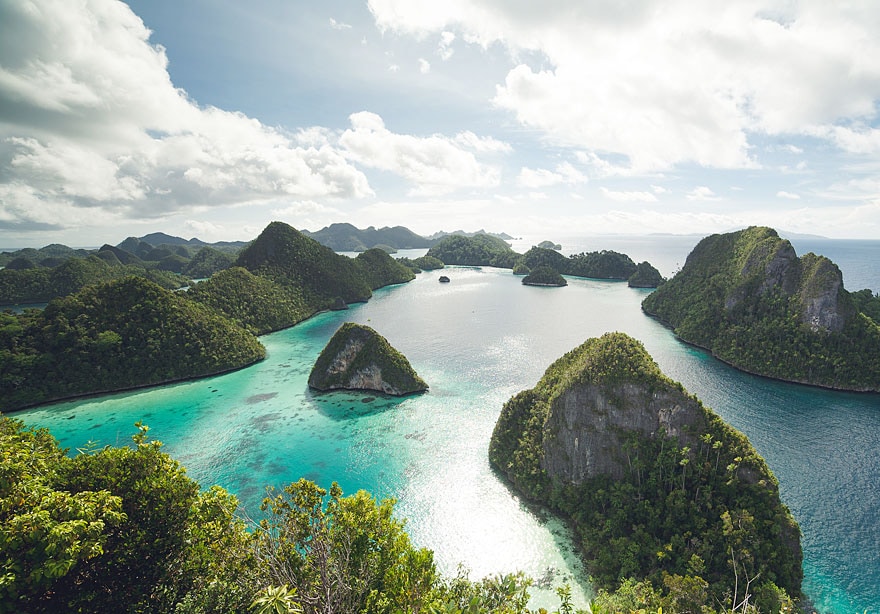
Raja Ampat Islands
Raja Ampat Islands in Indonesia is organized on WhereDive as a practical diving destination page. It is designed to help divers compare season, difficulty, current, visibility, and travel logistics before choosing specific dive operators or underwater sites.
For trip planning, Raja Ampat Islands is most relevant to divers interested in reef diving, drift diving and manta ray encounters, with likely highlights including manta rays, coral gardens and reef fish and schooling fish. The baseline difficulty is AOW recommended; OW divers should prioritize shallow, low-current guided dives, while AOW and experienced divers can evaluate boat dives, drift conditions, or deeper profiles where available.
Best season
Jan, Feb, Mar, Apr, Oct, Nov, Dec
Suitable levels
AOW divers / Advanced divers / Underwater photographers / Liveaboard travelers
Dive sites
3
View dive sites →
Recommended level
AOW
Current
Medium
Raja Ampat Islands Diving Overview
The best months to consider are Jan, Feb, Mar, Apr, Oct, Nov, Dec. Visibility varies with season, tide, and rainfall, and the current is best treated as medium. Plan at destination level first, then confirm exact dive sites with local operators, so final dive plans should still be checked against recent sea conditions, operator briefings, marine park rules, and logged-dive requirements.
Best for
Highlights
- • Raja Ampat Islands, Indonesia destination page for season and level planning
- • Recommended months: Jan, Feb, Mar, Apr, Oct, Nov, Dec
- • Best for: reef diving, drift diving and manta ray encounters
- • Likely highlights: manta rays, coral gardens and reef fish and schooling fish
- • Difficulty reference: AOW recommended; current reference: medium
What this page helps you decide
If you are comparing Raja Ampat Islands by season, diver level, and liveaboards, mantas, currents, and reefs, this page helps you narrow the trip before contacting operators.
Related search topics
Season & Conditions
Prioritize Jan, Feb, Mar, Apr, Oct, Nov, Dec for easier dive scheduling, course planning, or fun dives. Rain or weather-variable months include May, Jun, Jul, Aug, Sep, so keep schedule flexibility.
Travel Planning
- • For Raja Ampat Islands, confirm the nearest airport, harbor, boat time, and transfer window before booking dives or liveaboards.
- • Reference transport notes suggest combining land and boat transfers; always check current schedules and weather notices.
- • Compare dive packages, gear rental, island fees, and transfer costs when budgeting.
Dive types
Marine life
Keep planning this trip
Dive sites in this destination

Blue Magic
Indonesia / Raja Ampat / West Papua
- Max depth
- 35 m
- Best months
- Oct, Nov, Dec, Jan, Feb, Mar, Apr
- • Exposed reef pinnacle
- • Chance of mantas and pelagics
Cape Kri
Indonesia / Raja Ampat / West Papua
- Max depth
- 35 m
- Best months
- Oct, Nov, Dec, Jan, Feb, Mar, Apr
- • Signature Raja Ampat fish life
- • Healthy coral coverage
Manta Sandy
Indonesia / Raja Ampat / West Papua
- Max depth
- 18 m
- Best months
- Oct, Nov, Dec, Jan, Feb, Mar, Apr
- • Manta cleaning station
- • Relatively shallow profile
Suggested itinerary
Plan 3 to 5 dive days, starting with a check dive before choosing signature Raja Ampat Islands sites based on conditions. For liveaboards, confirm route and seasonal marine-life targets.
Getting there
Current transport guidance: confirm nearest airport, harbor transfer, boat time, and weather cancellation policy before booking.
FAQ
What is the best season for Raja Ampat Islands? +
Prioritize Jan, Feb, Mar, Apr, Oct, Nov, Dec for easier dive scheduling, course planning, or fun dives. Rain or weather-variable months include May, Jun, Jul, Aug, Sep, so keep schedule flexibility.
Is Raja Ampat Islands suitable for beginners? +
Raja Ampat Islands is generally better for AOW or more experienced divers, so newer divers should confirm shallow or lower-current options first.
What is Raja Ampat Islands best known for? +
Raja Ampat Islands is best matched with reef diving, drift diving, manta diving, with common highlights including manta rays, coral gardens, reef fish.